Author: MORXRFID

Hard Tags vs On-Metal RFID Labels Introduction When deploying an RFID tracking system for industrial assets, one of the most common questions buyers ask is: should I use Hard Tags or On-Metal RFID Labels? Both are designed to work on or near metal surfaces, but they serve different purposes and perform very differently depending on…

Password Configuration for MORX CR-03, CR-06, CR-15 & CR-20 RFID Readers Protect your RFID reader settings and enhance system security by configuring an access password through the MORX Reader Configuration Software. This feature helps prevent unauthorized changes to reader parameters and ensures secure operation in industrial and access control environments Configuration Overview The password setup…

WD-01 Desktop RFID Reader/Writer – Excel & Notepad EPC Output Configuration The Mivanta MORX WD-01 Desktop RFID Reader/Writer allows users to automatically capture RFID tag EPC data and send it directly to applications such as Microsoft Excel, Notepad, ERP software, web forms, and database systems without requiring custom programming. By configuring the reader in USB…

CR-03 WIFI Config(English) Please update your demo, the version shown in the following picture is only for demonstration. 1. Preliminary: 1.A Windows computer with Wi-Fi function; 2. The reader demo is required on the computer; 3. Install the Wi-Fi antenna on the reader and plug it into the power supply; 2. Reset reader Wi-Fi parameters:…

Configuration for MORX CR03, CR06, CR15 & CR20 RFID Readers Follow the steps below to configure the relay output using the RFID Reader Demo software. Step 1: Connect the RFID Reader Connect the MORX CR03, CR06, CR15, or CR20 reader to your PC. Open the RFID Reader Demo software. Select the correct COM port and…

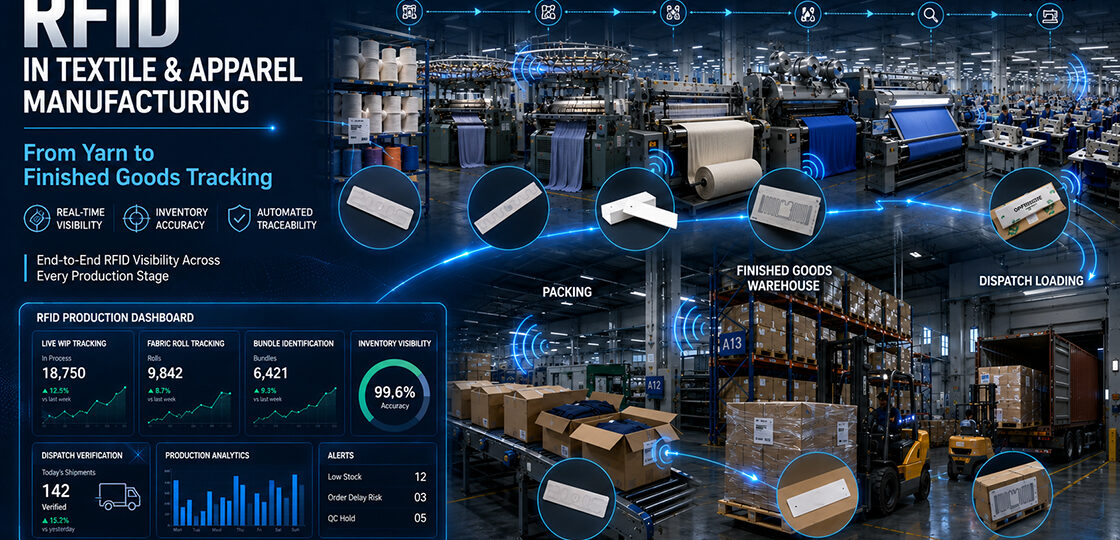
RFID for Work-in-Progress (WIP) Tracking in Manufacturing: A Complete Guide Introduction Modern manufacturing environments depend on speed, accuracy, and real-time visibility to remain competitive. As production lines become more complex, tracking work-in-progress (WIP) items manually can lead to delays, errors, and reduced productivity. Manufacturers often struggle to identify the exact location and status of products…