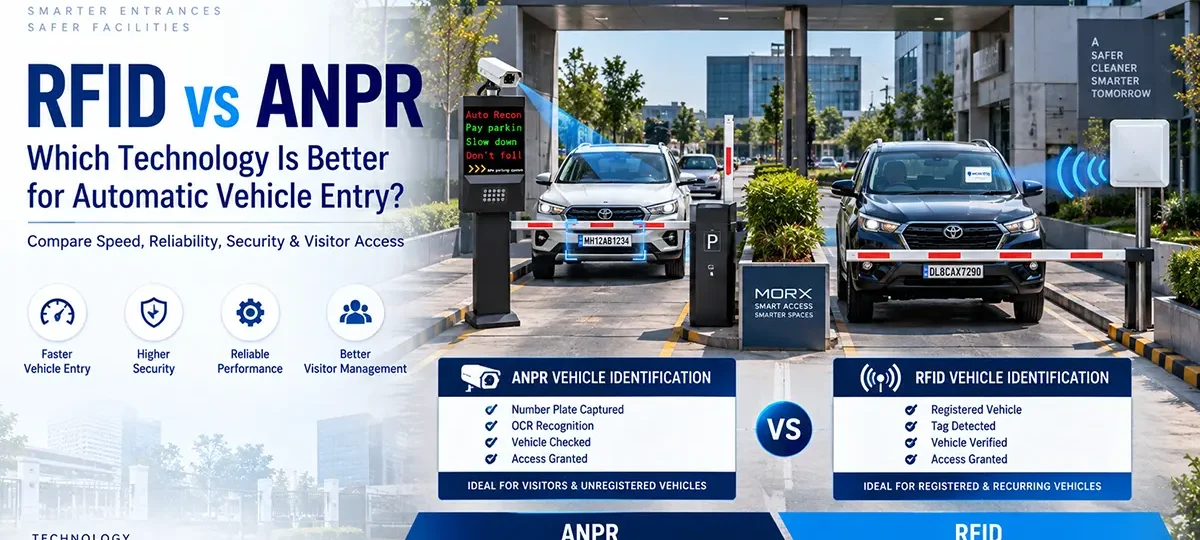
RFID vs ANPR: Which Technology Is Better for Automatic Vehicle Entry? Both RFID and ANPR promise the same outcome — a vehicle drives up, gets identified automatically, and the barrier opens without a guard checking anything. But the two technologies work in completely different ways, and that difference matters a lot depending on what kind…
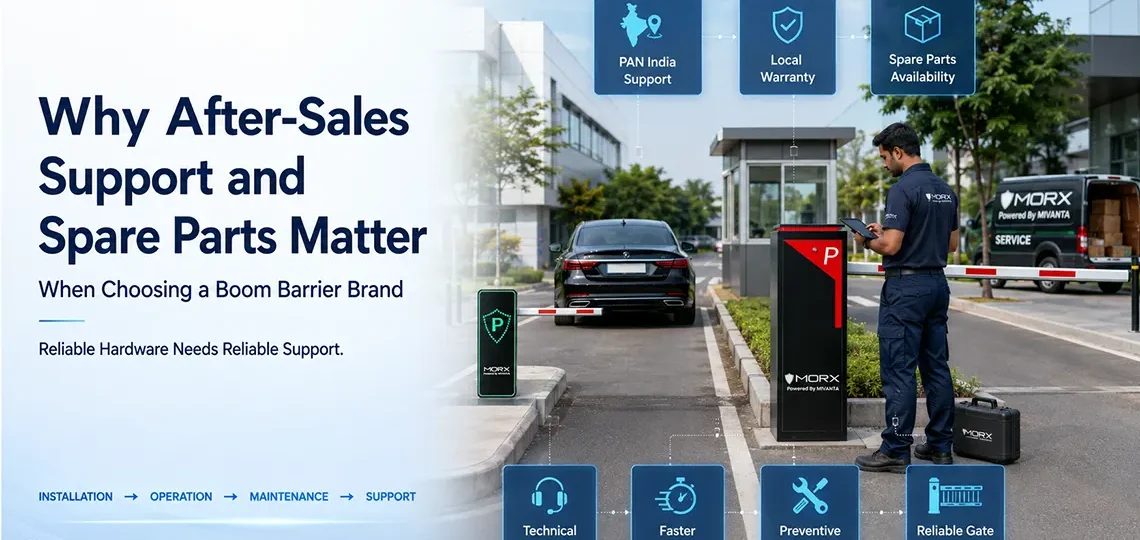
Why After-Sales Support and Spare Parts Matter When Choosing a Boom Barrier Brand A boom barrier purchase decision almost always focuses on the same handful of specs — arm length, motor type, IP rating. What rarely gets asked, and matters just as much over the barrier’s working life, is a simpler question: when this breaks,…
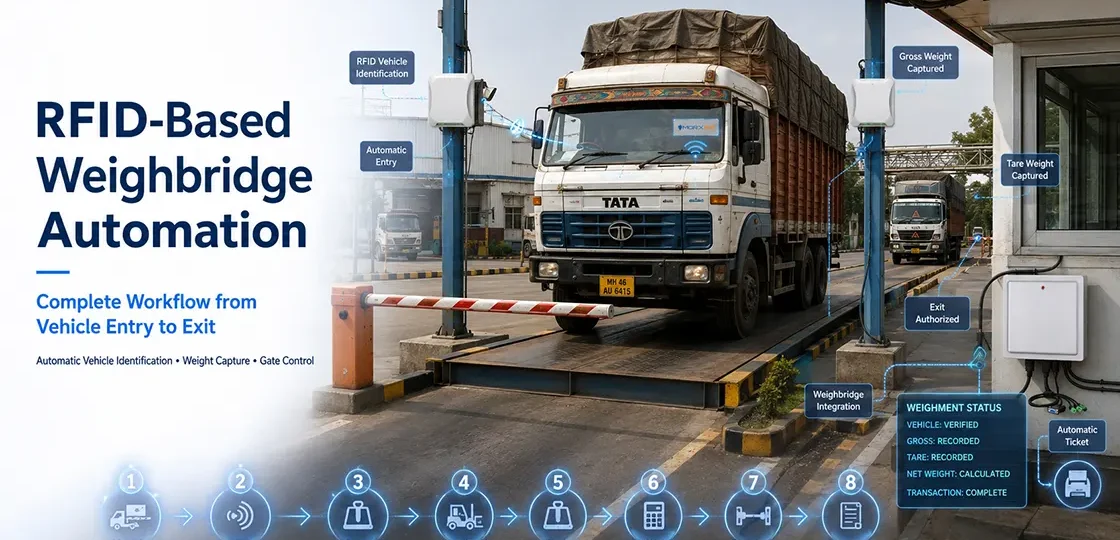
RFID-Based Weighbridge Automation: Complete Workflow from Vehicle Entry to Exit A manually operated weighbridge depends entirely on an operator being present, alert, and accurate — noting down vehicle numbers, matching them to the right transaction, and issuing a paper slip for every single weighment. On a busy site processing dozens of vehicles a day, this…
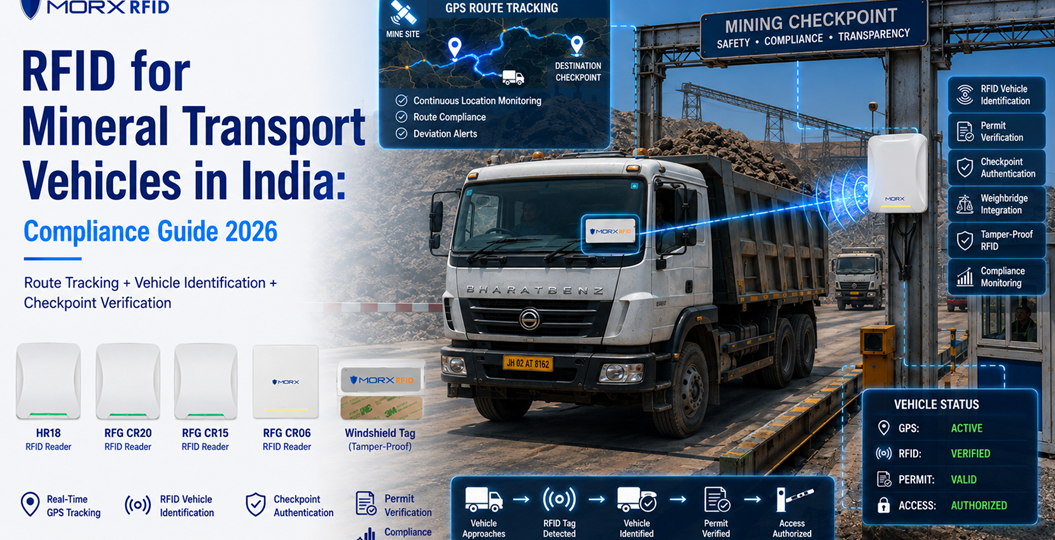
RFID for Mineral Transport Vehicles in India: Compliance Guide 2026 Mineral transport compliance in India has shifted fast over the past year. What used to be a patchwork of manual transit passes and weighbridge slips is being replaced, state by state, with mandatory GPS tracking and RFID-based vehicle identification — driven directly by state mining…
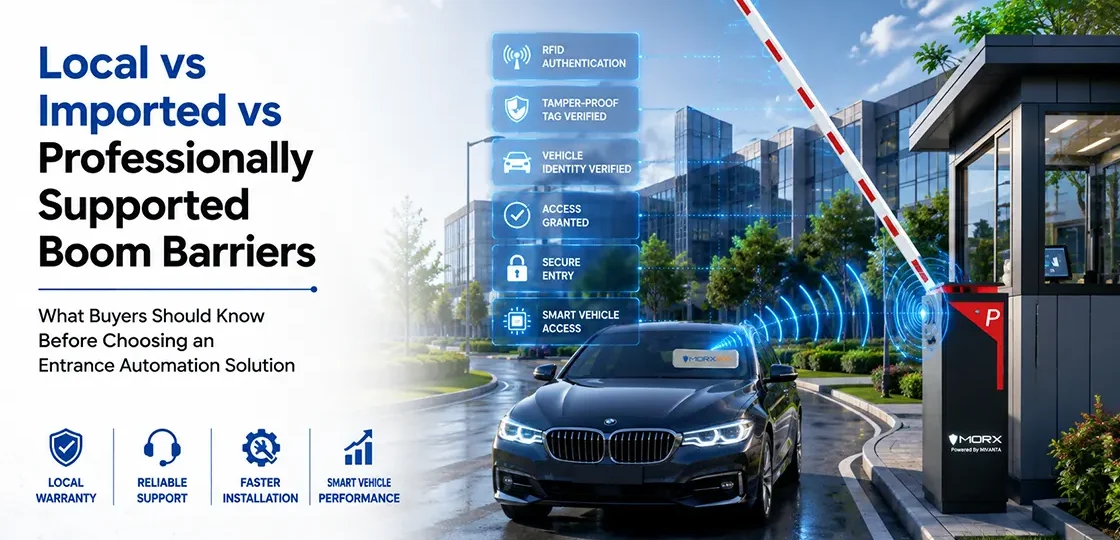
Local vs Imported vs Professionally Supported Boom Barriers: What Buyers Should Know Every boom barrier looks roughly the same in a product photo — an arm, a motor housing, a control box. What actually determines whether that barrier is still working reliably two years from now has almost nothing to do with the photo, and…
Tamper-Proof RFID Tags: Why They Matter for Secure Vehicle Access A vehicle access control system is only as secure as its weakest link — and in most RFID-based gate systems, that weak link is the tag itself. If an RFID windshield tag can be peeled off one car and stuck onto another, the entire access…