Home » Blog

Category: Blog

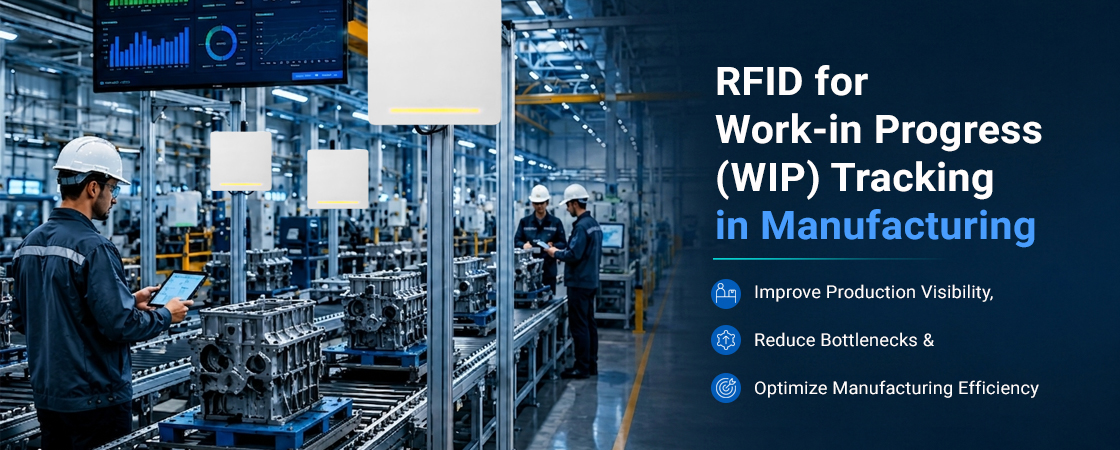
Introduction Modern manufacturing environments depend on speed, accuracy, and real-time visibility to remain competitive. As production lines become more complex, tracking work-in-progress (WIP) items manually can lead to delays, errors, and reduced productivity. Manufacturers often struggle to identify the exact location and status of products moving through different stages of production. RFID (Radio Frequency Identification)…
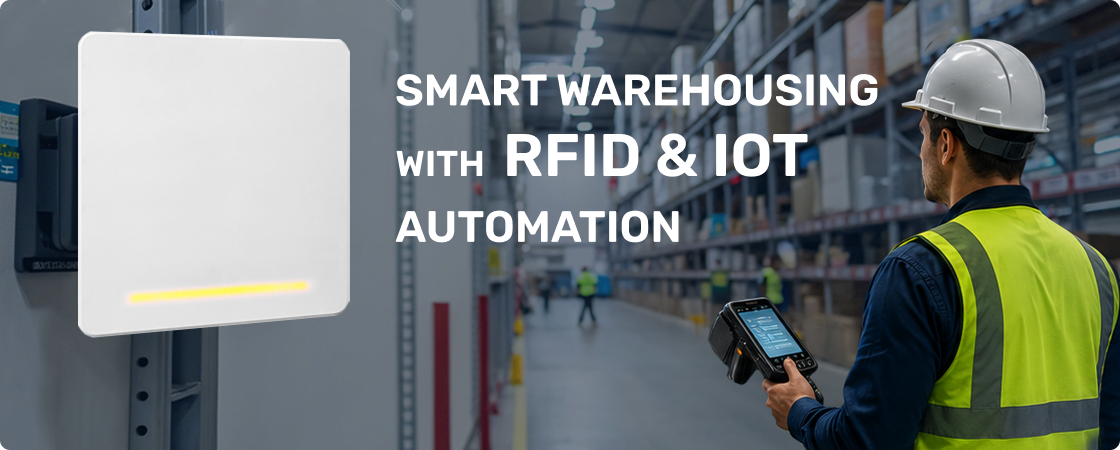
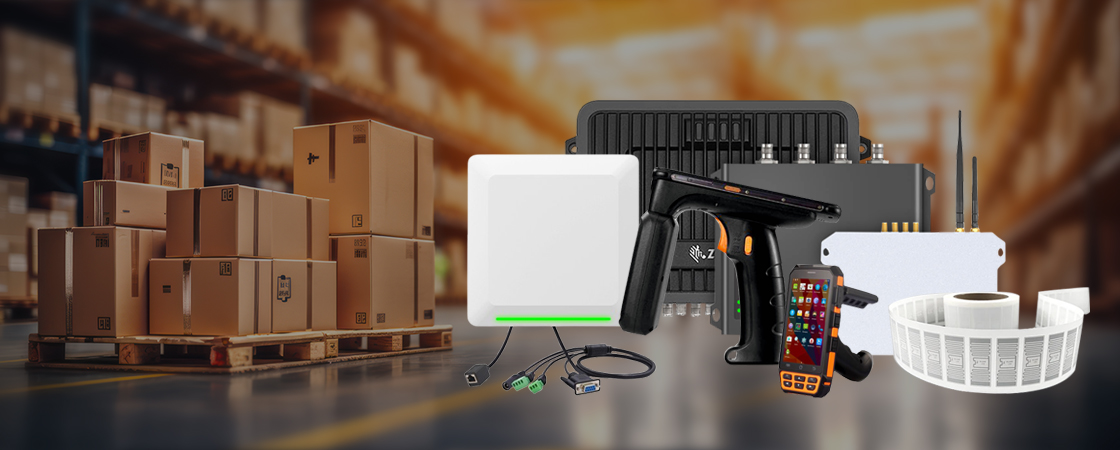
Introduction The warehousing industry is rapidly evolving with the adoption of automation and smart tracking technologies. Traditional inventory management methods often create challenges such as stock inaccuracies, delayed shipments, manual errors, and inefficient tracking. To solve these problems, businesses are increasingly implementing RFID and IoT-based warehouse management systems. RFID (Radio Frequency Identification) technology enables automatic…

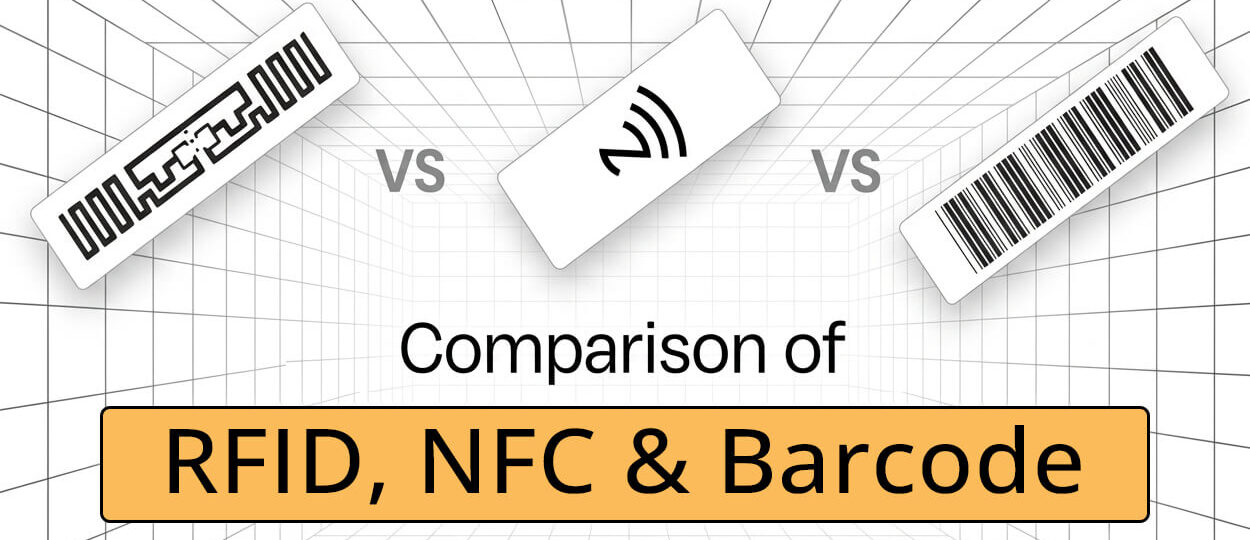
Feature RFID NFC Barcode Technology Type Radio Frequency (long-range) Short-range wireless (subset of RFID) Optical scanning Read Range Up to several meters Very short (a few centimetres) Very short (line-of-sight) Line-of-Sight Required No No Yes Multiple Item Scanning Yes (bulk reading) No (one at a time) No (one at a time) Speed Very fast and…

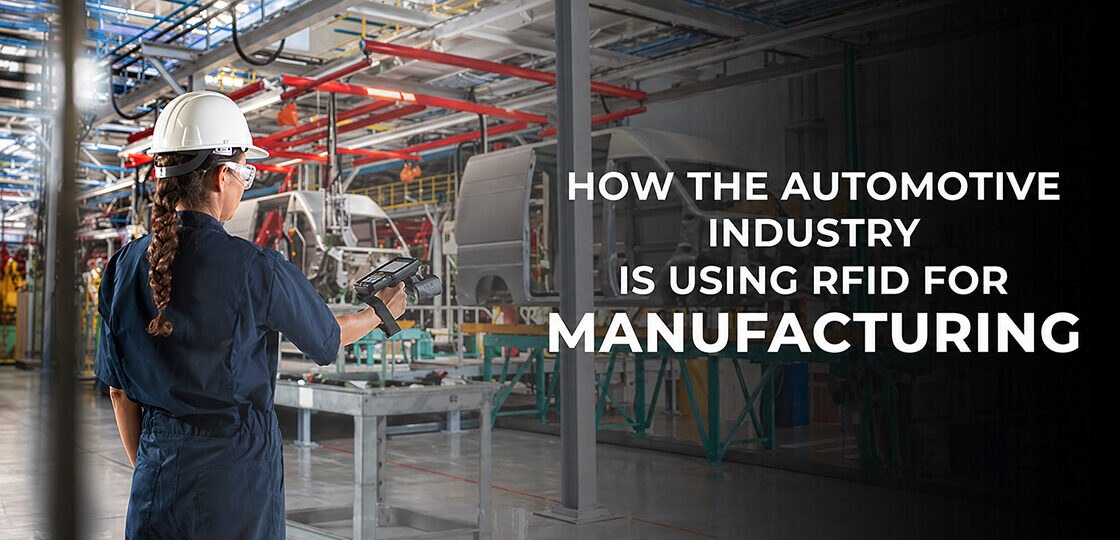
Introduction The automotive industry operates in a highly dynamic and intricate manufacturing environment, where precision, speed, and coordination are critical. From managing thousands of individual parts to maintaining just-in-time inventory and meeting rigorous quality standards, manufacturers must ensure that every stage of production runs flawlessly. To handle these challenges, many automotive companies are embracing RFID…

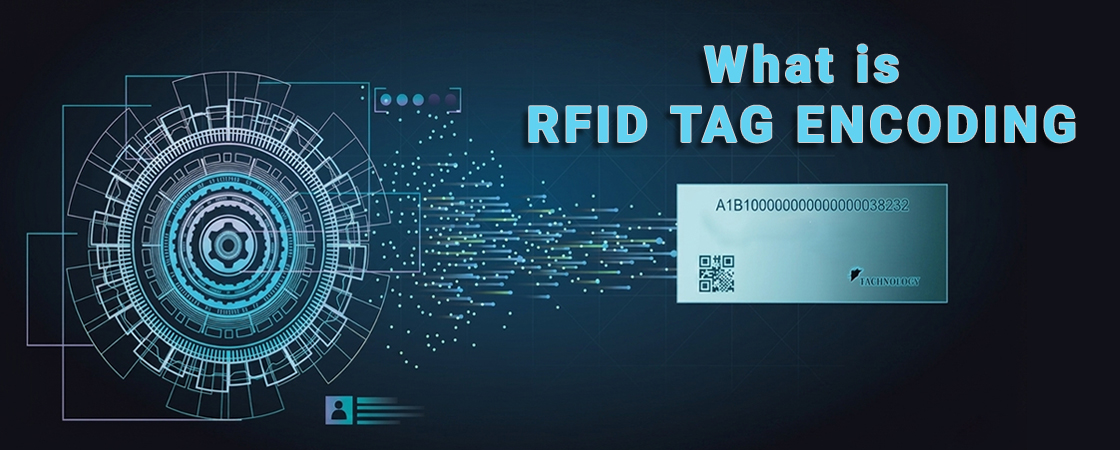
RFID tag encoding is a key process that enables accurate tracking and identification of items across modern industries. It involves writing important data—such as product details or unique IDs—onto RFID tags so they can be automatically read and processed.   With the growing use of RFID in manufacturing and supply chains, proper encoding ensures better…

The manufacturing industry is evolving rapidly with the adoption of automation, real-time visibility, and data-driven decision-making. In this environment, businesses can no longer depend only on manual records, barcode scanning, or disconnected tracking methods if they want to maintain efficiency and competitiveness. Delays in material movement, inaccurate stock records, poor work-in-progress visibility, and difficulty in…