
0

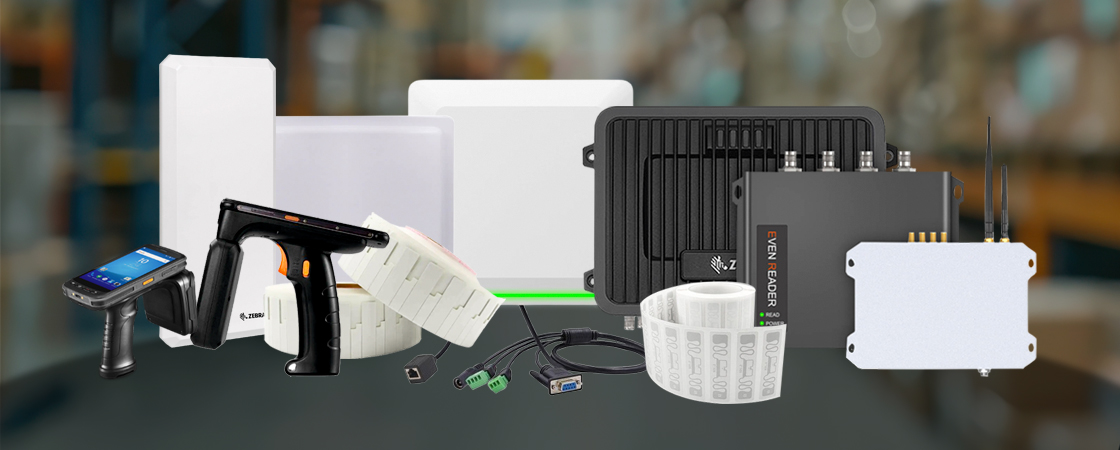
Radio Frequency Identification (RFID) technology has become a backbone of industrial automation, enabling businesses to track assets, manage inventory, control access, and automate operations with speed and accuracy. Among different RFID technologies, UHF RFID readers are the most widely adopted in manufacturing, logistics, warehousing, and security systems due to their long read range and ability to process multiple tags simultaneously.
However, selecting the right RFID reader is not just about choosing a device with the highest power output. Industrial environments present challenges such as metal interference, dust, temperature variations, and integration complexity. A well-informed selection process ensures better performance, higher accuracy, and long-term return on investment.
In this guide, the technical team at MORX RFID explains how to choose the right UHF RFID reader for industrial applications and what factors should be evaluated before implementation.
What is a UHF RFID Reader?
A UHF RFID reader operates within the Ultra High Frequency band (860–960 MHz). It communicates with RFID tags by transmitting radio signals and capturing responses from the tags attached to assets, vehicles, cartons, or equipment.
Unlike low-frequency systems, UHF technology provides:
- Read range up to 10–15 meters (depending on antenna and tag type)
- Fast multi-tag reading
- High accuracy in bulk scanning environments
- Seamless integration with ERP and automation systems
- Warehouse dock doors
- Manufacturing production lines
- Parking management systems
- Asset tracking systems
- Industrial access control
Types of UHF RFID Readers
Choosing the correct reader type depends on your application environment.
1. Fixed RFID Readers
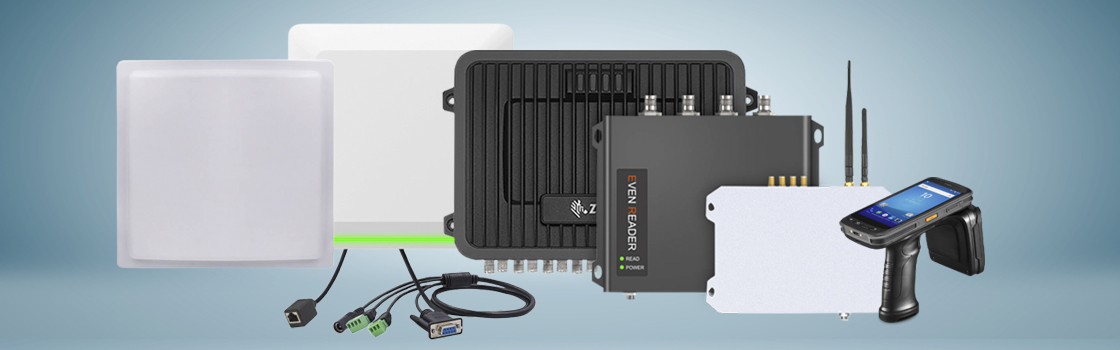
Fixed RFID Reader systems are installed permanently at specific checkpoints such as gates, conveyor belts, production lines, or entry/exit points.
They are ideal for:
- Warehouse automation
- Vehicle entry systems
- Weighbridge automation
- Manufacturing process tracking
Fixed readers are designed for continuous operation and often support multiple antenna ports for wider coverage.
2. Handheld RFID Readers
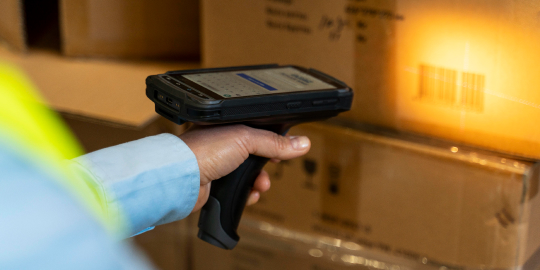
For mobile operations such as stock audits and on-site inspections, Handheld RFID Reader devices are more suitable.
These portable devices are commonly used in:
- Inventory counting
- IT asset management
- Retail verification
- Field inspections
Handheld readers typically include built-in displays, rechargeable batteries, and wireless communication for real-time data synchronization.
3. Integrated UHF RFID Readers
Integrated readers combine the antenna and reader module into a single housing. These are compact and commonly deployed in parking systems and access control points.
They are frequently integrated with Entrance Automation Systems for vehicle identification and gate control.
Key Factors to Consider Before Selecting a UHF RFID Reader
Selecting the wrong reader can lead to performance issues, read errors, and operational inefficiencies. Below are the critical factors industrial businesses must evaluate.
1. Read Range Requirement
Read range varies depending on the application.
- Access control: 3–6 meters
- Warehouse dock door: 6–10 meters
- Vehicle tracking: 8–15 meters
- Reader output power
- Antenna gain
- Tag sensitivity
- Environmental interference
2. Environmental Conditions
Read range varies depending on the application.
- Metal surfaces
- Moisture exposure
- High temperatures
- Dust and vibration
Using industrial-grade readers with IP-rated enclosures ensures durability. Additionally, selecting the correct RFID Hard Tags or On Metal RFID Labels is critical for environments with heavy metal surfaces.
3. Antenna Compatibility & Polarization
The antenna plays a major role in determining read zone and accuracy.
Consider:
- Circular vs Linear polarization
- Antenna gain (dBi)
- Beam width
- Mounting height
Industrial applications often require long-range RFID Antenna solutions to cover wide operational zones.
Improper antenna placement can cause missed reads or false positives, especially in conveyor or vehicle entry systems.
4. Integration Capabilities
Modern automation systems require seamless integration with:
- ERP software
- Warehouse Management Systems
- Access control systems
- TCP/IP communication
- RS232 / RS485
- Relay outputs
- API / SDK support
5. Tag Compatibility
Not all RFID tags perform equally.
For example:
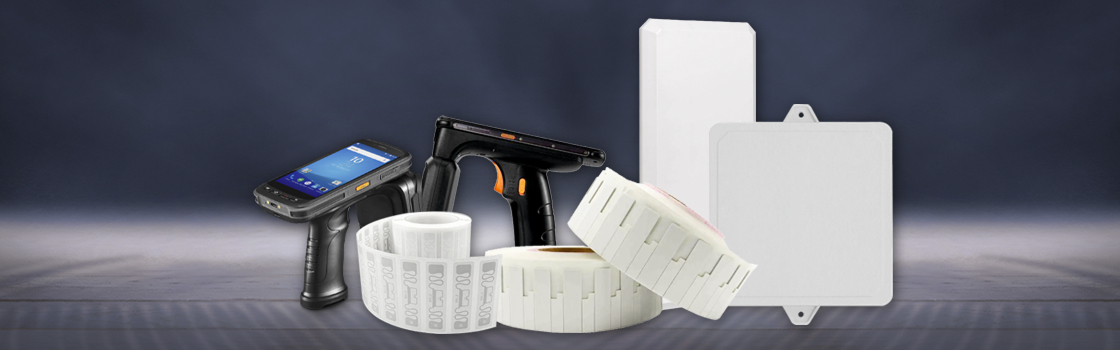
- Use RFID Labels for carton-level tracking
- Use Industrial RFID Tags for rugged environments
- Use UHF RFID On Metal Labels for metal surfaces
Selecting the right tag ensures maximum read accuracy and durability.
Industrial Use Cases of UHF RFID Readers
Warehouse Automation
RFID readers installed at dock doors automatically capture tagged inventory entering or leaving the facility. This improves stock accuracy and reduces manual errors.
Manufacturing & Production Tracking
Tracking raw materials and finished goods in real-time improves process visibility and reduces loss.
Vehicle Entry & Parking Management
Integrated readers combined with Entrance Automation allow automated vehicle authorization and secure entry.
Why Working with an Experienced RFID Supplier Matters
Selecting hardware alone is not enough. Proper site analysis, system design, and integration planning determine project success.
An experienced RFID supplier evaluates:
- Installation environment
- Tag placement strategy
- Antenna positioning
- Interference sources
- Integration requirements
Working with a trusted supplier ensures optimized performance and long-term reliability.
Expert Recommendation from MORX RFID Technical Team
Based on extensive experience in industrial RFID implementation, our team recommends conducting a technical site assessment before finalizing reader specifications.
Testing should include:
- Tag read testing in real environment
- Metal interference evaluation
- Read angle optimization
- Integration compatibility checks
A well-planned RFID deployment improves operational efficiency, enhances visibility, and minimizes manual intervention.
Conclusion
Choosing the right UHF RFID reader for industrial applications requires evaluating read range, environmental conditions, antenna compatibility, integration capabilities, and tag selection.
Industrial automation is not a one-size-fits-all solution. The correct combination of reader, antenna, tag, and controller ensures accurate data capture and long-term performance stability.
Businesses planning to implement RFID solutions should work with experienced technical teams that understand industrial challenges and can recommend tailored configurations for specific use cases.
CategoryBlog